

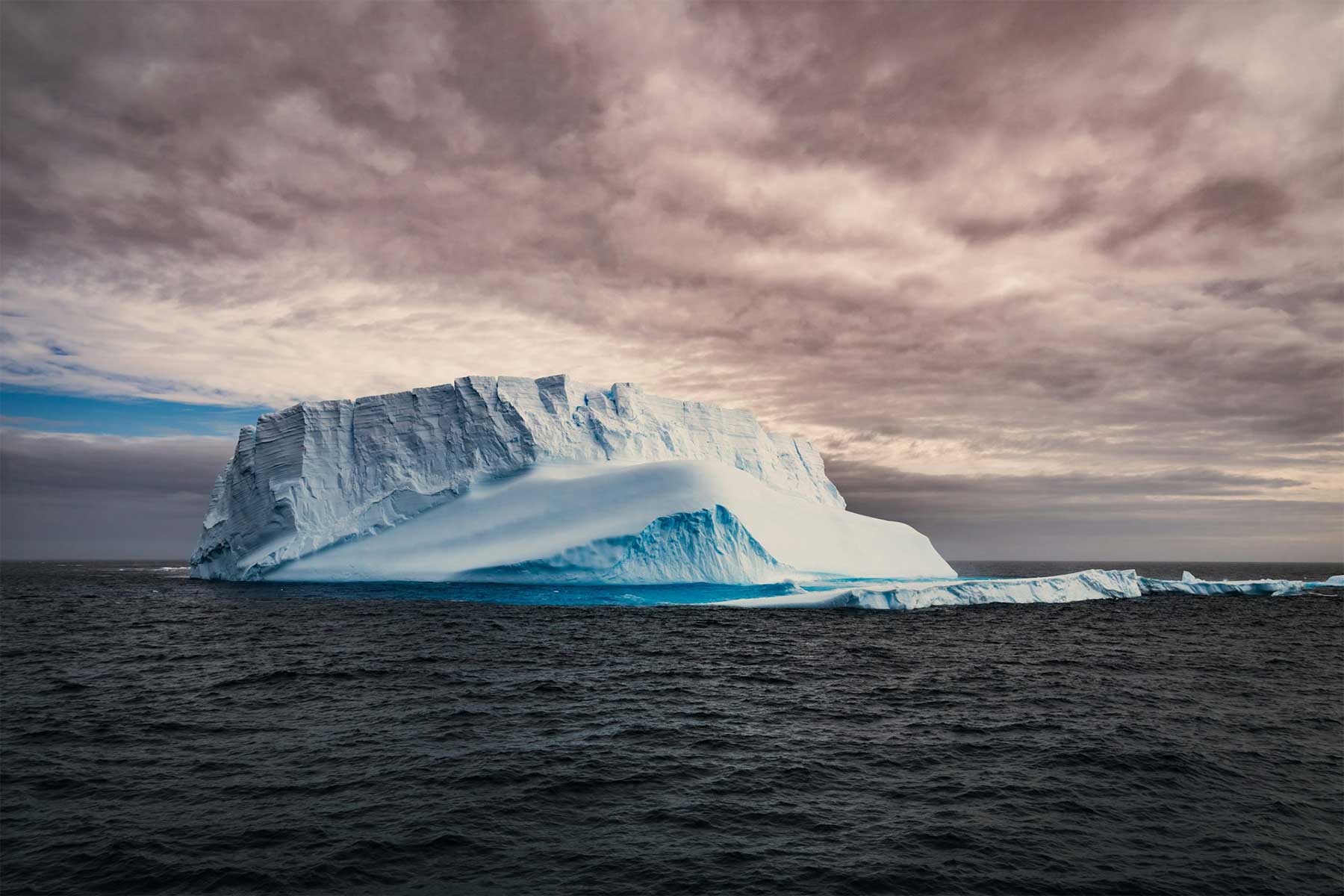
2022 was a record-breaking year for Antarctic sea-ice reduction, yet in 2023 the sea-ice extent shrunk an additional and staggering 10% compared to 2022. While 2024 was slightly less extreme, worryingly, for the first time the winter sea ice (at its maximum extent) didn’t recover from the extreme 2023 summer minima. Is this the new normal?
To find out, in coordination with our collaborators, we are collecting and analysing glaciological, oceanographic and ecological data to monitor change in key locations. We are using state-of- the-art technology (e.g. robotic sensors, satellite data, drones and in situ measurements) at the heart of sea-ice production and interactions in the Ross Sea polynya. Important physical parameters are being used to assess thresholds, provide relevant real-time information, and to identify emerging risks to guide targeted modelling experiments.
We are:

Victoria University of Wellington
Kelburn Parade
Wellington
New Zealand
e: seaice@vuw.ac.nz

